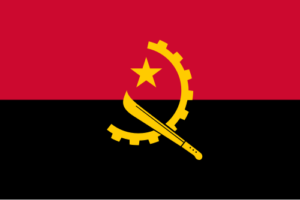

Embarking on a career journey in Angola requires dedication, strategic planning, and continuous learning. Whether you’re just starting out or looking to advance in your current role, this comprehensive guide is designed to help you navigate the complexities of the Angolan job market. By implementing these career development strategies, you can enhance your skills, build valuable connections, and secure better job opportunities.
Understanding the Angolan Job Market
The Angolan economy is diverse, encompassing sectors such as oil and gas, construction, finance, and agriculture. However, like many economies, it faces challenges including unemployment and economic fluctuations. To thrive in this environment, it’s crucial to stay informed about industry trends and adapt your career goals accordingly.
Key Industries in Angola
- Oil and Gas: Angola is one of Africa’s largest oil producers, offering significant employment opportunities in extraction, refining, and related services.
- Construction: With ongoing infrastructure projects, the construction sector provides roles in engineering, architecture, and project management.
- Finance: Banks, insurance companies, and financial institutions offer positions in banking, investment, and risk management.
- Agriculture: Despite its potential, the agricultural sector is underdeveloped but holds promise for growth in food production and processing.
Enhancing Your Skills
Continuous learning is essential in today’s rapidly evolving job market. By acquiring new skills and improving existing ones, you can make yourself more attractive to employers and open up new career paths.
Identifying Relevant Skills
To determine which skills are most valuable in your desired field, consider the following:
- Industry Trends: Stay updated on technological advancements and shifts in demand within your sector.
- Job Descriptions: Analyze job postings to identify common requirements and emerging skills.
- Professional Associations: Join relevant organizations to access resources and networking opportunities.
Learning Resources
There are numerous ways to acquire new skills, including:
- Online Courses: Platforms like Coursera, Udemy, and edX offer courses on various topics.
- Workshops and Seminars: Participate in industry-specific events to learn from experts.
- Mentorship Programs: Find a mentor who can provide guidance and share their experience.
- Self-Study: Utilize books, articles, and online tutorials to deepen your knowledge.
Building Your Professional Network
A strong professional network can significantly impact your career success. Networking allows you to connect with peers, mentors, and potential employers, providing valuable insights and opportunities.
Effective Networking Strategies
To build a robust network, consider these strategies:
- Attend Industry Events: Participate in conferences, trade shows, and networking meetings.
- Join Professional Groups: Engage with local and international organizations related to your field.
- Utilize Social Media: Connect with professionals on LinkedIn and other platforms.
- Volunteer: Offer your skills to non-profit organizations or community initiatives.
Creating a Strong Resume and Cover Letter
Your resume and cover letter are your first impression on potential employers. Crafting these documents effectively can make a significant difference in securing interviews.
Resume Tips
To create a compelling resume, follow these guidelines:
- Customize: Tailor your resume to each job application, highlighting relevant skills and experiences.
- Quantify Achievements: Use numbers to demonstrate your impact in previous roles.
- Keep It Concise: Aim for a one-page document that clearly communicates your qualifications.
- Proofread: Ensure there are no spelling or grammatical errors.
Cover Letter Advice
Your cover letter should complement your resume by providing additional context and enthusiasm for the position. Here’s how to write an effective cover letter:
- Address the Hiring Manager: Research the company and personalize your letter to the specific recipient.
- Explain Your Interest: Clearly state why you are interested in the role and company.
- Highlight Relevant Skills: Emphasize how your background and experience make you a good fit for the position.
- Call to Action: End with a statement encouraging the reader to contact you for an interview.
Preparing for Interviews
A successful interview requires preparation and confidence. By thoroughly researching the company and practicing common interview questions, you can present yourself as a strong candidate.
Researching the Company
Before your interview, gather information about the organization, including:
- Company History: Understand the company’s mission, values, and achievements.
- Products/Services: Familiarize yourself with what the company offers.
- Culture: Look for clues about the company’s work environment and team dynamics.
- Recent News: Check for recent developments or changes in the company.
Interview Practice
Prepare for common interview questions by practicing with friends or family. Some typical questions include:
- Tell me about yourself.
- Why do you want to work here?
- Describe your greatest strength and weakness.
- What are your long-term career goals?
- Where do you see yourself in five years?
Navigating the Application Process
The job application process can be overwhelming, but by following a structured approach, you can increase your chances of success.
Applying Online
Most companies now accept applications through their websites. When submitting an online application, keep these tips in mind:
- Follow Instructions: Carefully read and adhere to all application guidelines.
- Complete All Fields: Fill out all required information accurately.
- Attach Necessary Documents: Include your resume, cover letter, and any other requested materials.
- Check for Errors: Proofread your application before submission.
Submitting Hard Copies
In some cases, you may need to submit a hard copy of your application. Follow these steps:
- Print Professionally: Use high-quality paper and a clear font.
- Organize Neatly: Arrange your documents in the order specified by the employer.
- Include a Cover Letter: Always accompany your resume with a personalized cover letter.
- Mail Promptly: Send your application via registered mail to ensure it reaches the employer.
Frequently Asked Questions (FAQ)
How often should I update my resume?
It’s a good idea to update your resume every six months to reflect any new skills, experiences, or accomplishments.
What should I wear to a job interview?
Dress professionally according to the company culture. For most formal settings, business attire is appropriate.
How can I stand out in a crowded job market?
Develop specialized skills, network actively, and tailor your application materials to highlight your unique value proposition.
What if I don’t have experience in the field I’m applying for?
Emphasize transferable skills from previous roles and consider internships or entry-level positions to gain relevant experience.
How long should I wait to follow up after submitting an application?
Wait about two weeks before sending a polite follow-up email to express continued interest in the position.
Conclusion
Building a successful career in Angola requires a combination of skill development, networking, and strategic job hunting. By following the tips outlined in this guide, you can enhance your professional profile and increase your chances of finding fulfilling job opportunities. Remember, persistence and adaptability are key to navigating the job market successfully.
For more resources and support, visit AngolaJobSearch.com. Start your career development journey today and take control of your professional future.
Exploring opportunities beyond Angola? Check out MoroccoJobSearch.com for insights into the Moroccan job market.