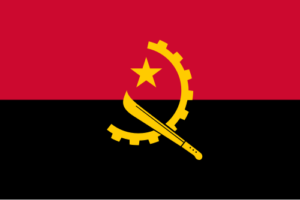

Embarking on a job search in Angola can be both exciting and challenging. With its rich natural resources and growing economy, Angola presents a unique set of opportunities and challenges for job seekers. This comprehensive guide is designed to equip you with the knowledge and tools necessary to navigate the Angolan job market successfully by 2026. Whether you’re a recent graduate, a seasoned professional, or someone looking to relocate, this resource will provide valuable insights into the current and future employment landscape in Angola.
Understanding the Angolan Economy
The Angolan economy is heavily reliant on oil and gas, which account for a significant portion of its GDP. However, the country has been diversifying its economy in recent years, focusing on sectors such as agriculture, construction, and services. This diversification is expected to create new job opportunities across various industries.
Key Economic Indicators
- GDP Growth: Angola’s GDP growth has fluctuated due to global oil prices, but there are signs of recovery.
- Inflation Rate: While historically high, efforts are being made to stabilize the inflation rate.
- Unemployment Rate: High unemployment remains a challenge, particularly among youth.
Top Industries and Job Sectors
Several industries are expected to drive job creation in Angola over the next few years. Here are some of the most promising sectors:
Oil and Gas
Despite diversification efforts, the oil and gas sector remains a cornerstone of the Angolan economy. Opportunities exist for engineers, geologists, and other technical professionals.
Agriculture
With vast arable land and favorable climate conditions, agriculture offers significant potential for growth. Roles in farming, agribusiness, and agricultural technology are likely to increase.
Construction
Infrastructure development projects, including roads, bridges, and housing, are creating numerous job openings in construction and related fields.
Finance and Banking
The financial sector is expanding as Angola seeks to modernize its economy. Positions in banking, insurance, and financial services are becoming more prevalent.
Education and Skills Development
To succeed in the Angolan job market, it’s crucial to have the right education and skills. Here are some tips for enhancing your employability:
Formal Education
Pursuing higher education through universities and vocational schools can significantly boost your career prospects. Focus on fields that align with Angola’s economic priorities.
Technical Training
Technical training programs can provide specialized skills that are in high demand. Consider enrolling in courses related to oil and gas, construction, or information technology.
Language Proficiency
Fluency in Portuguese is essential for most jobs in Angola. Additionally, proficiency in English can open up international opportunities.
Job Search Strategies
Effective job search strategies are vital for securing employment in Angola. Here are some practical tips:
Networking
Build relationships with professionals in your desired field through networking events, industry conferences, and social media platforms like LinkedIn.
Resume Optimization
Tailor your resume to highlight relevant skills and experiences. Use keywords that align with job descriptions and industry standards.
Interview Preparation
Prepare thoroughly for interviews by researching the company, practicing common interview questions, and dressing professionally.
Career Advancement Tips
Once you secure a job in Angola, focus on career advancement to build a successful long-term career. Here are some strategies:
Continuous Learning
Stay updated with industry trends and advancements by attending workshops, seminars, and online courses.
Mentorship
Seek out mentors who can provide guidance, support, and valuable insights into career progression.
Professional Certifications
Earn professional certifications to demonstrate expertise and enhance your credibility in your field.
Resources for Job Seekers
Several resources are available to help you find and secure employment in Angola. Here are some useful options:
| Resource Type | Description |
|---|---|
| Government Agencies | Organizations like the Ministry of Labor and Solidarity provide information on job openings and labor laws. |
| Recruitment Firms | Private recruitment agencies can connect you with employers and offer job placement services. |
| Professional Associations | Joining associations related to your field can provide networking opportunities and access to industry resources. |
Frequently Asked Questions
What are the best industries to work in Angola?
The best industries to work in Angola include oil and gas, agriculture, construction, and finance. These sectors are expected to drive job creation and economic growth.
How can I improve my chances of getting a job in Angola?
To improve your chances of getting a job in Angola, focus on obtaining relevant education and skills, networking within your industry, and optimizing your resume and cover letter.
Are there any language requirements for working in Angola?
Yes, fluency in Portuguese is essential for most jobs in Angola. Proficiency in English can also be beneficial, especially for international positions.
What are the key economic indicators in Angola?
Key economic indicators in Angola include GDP growth, inflation rate, and unemployment rate. These factors influence the overall job market and economic stability.
Conclusion
Navigating the job market in Angola requires careful planning and preparation. By understanding the economic landscape, developing the right skills, and utilizing available resources, you can position yourself for success in this dynamic and evolving market. For more information and updates on job opportunities in Angola, visit AngolaJobSearch.com. Start your journey towards a rewarding career in Angola today!
For those interested in exploring job opportunities in neighboring countries, MoroccoJobSearch.com offers similar resources and insights into the Moroccan job market.